AUGUST 2025 back to school
Bullying and mental health conditions are not
exclusive to students with disabilities and IEPs.
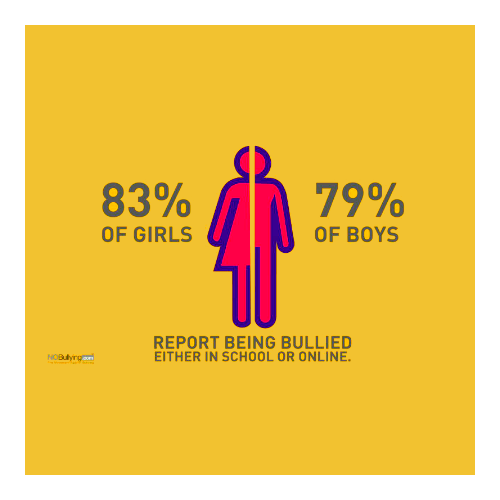
Bullying affects everyone - those who are bullied, those who bully,
and those who witness bullying. Bullying is linked to many negative
outcomes including impacts on mental health, substance use, and
suicide.
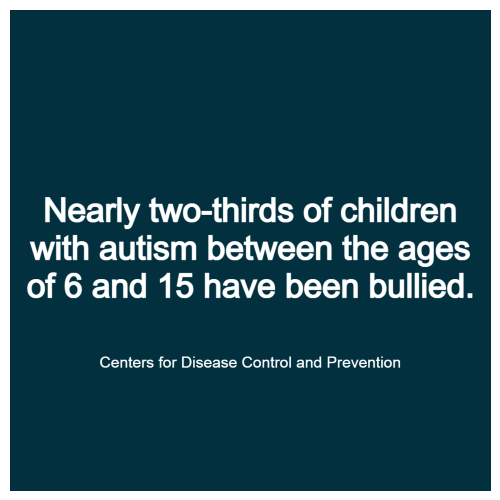
Back to School is not always as easy as get supplies and wait until the first day of school. For many students, especially those on IEPs bullying doesn't wait until three months into the school to start. Often bullying begins at the bus stop, on the bus, and continues on and off campus via social media apps, etc. But that's not the only challenge. Students with IEPs have to get build trust and familiarity with new transportation, SLP and other professionals who need time to get to know each new student and their needs. This can slow progress and complicate adapting for those who rely on routines.
Bullying Race, Ethnicity, and National Origin
Coffee with a Cause august 2025
Fair and accountable systems and institutions use checks and balances to ensure no groups are exploited, victimized, or left behind. Parents and communities must be able to trust administrators and policy makers to protect fundamental human and civil rights before party politics and personal agendas. Public-private collaboration expands access to proven practices and expertise while adding more options and transparency at the same time.
There is no need for state and local DEI
policies when existing federal Civil Rights laws are enforced. The
Federal supremacy clause means federal laws overrule any and all
similar or contrary state and local laws. Although sometimes well
intentioned many state and local DEI policies attempt to
by-pass existing civil-right laws in efforts to justify prioritizing
select groups instead of protecting the rights of all groups
equally.
Individuals with Disabilities Education Act (IDEA)
Bullying Disabilities and Special Health Needs
Coffee with a Cause august 2025
Failing to address bullying and mental health conditions often means these challenges will follow individuals from school into the workplace. In small communities being the victim of bullying at school often only ensures a lifetime of labels and bullying by local employers you went to school with. Many times those with mental health conditions or neurodiversity are misdiagnosed by untrained agencies or their employers. This leads to misunderstanding symptoms as someone just being angry or having a bad attitude. This lack of awareness adds to stigma, depression, unemployment and worse.
Disabilities can impact individuals regardless of age, race, religion, gender, orientation, politics, etc. While improvements have been made in some areas like education, there are still many systemic gaps and policy barriers that need to be resolved. While 50% of all accommodation cost $0 we still need to unlock small business and self-employment opportunities that make up 66% of all jobs. Local governments and chambers can help improve outcomes and increase economic participation by expanding resources to support adults with disabilities and their employers.
Federal Laws | StopBullying.gov
Remember a balanced approach uses verified data to identify problems and to propose actionable solutions. Only those willing to have difficult conversations can solve difficult problems. The first step to solving any problem is accepting the data indicating a problem... not blaming the messenger or method of delivery.
So join us for Coffee with a Cause and let's keep the conversation going each month with more data and actionable real life solutions!